The History of Sifnos
Written by Elena Philippou, who hosts Villa Olivia Clara above Platis Gialos.Updated June 2026
In the sixth century BC this quiet island was the richest in the Aegean. The mines, the Siphnian Treasury at Delphi, three thousand years of pottery, and the cook whose name became the Greek word for cookbook.
The money here used to come out of the ground, and for a while there was more of it than on any other island in the Aegean. You can still see the mines. The pottery and the cooking that came after them are still going, and none of it is far from the house.
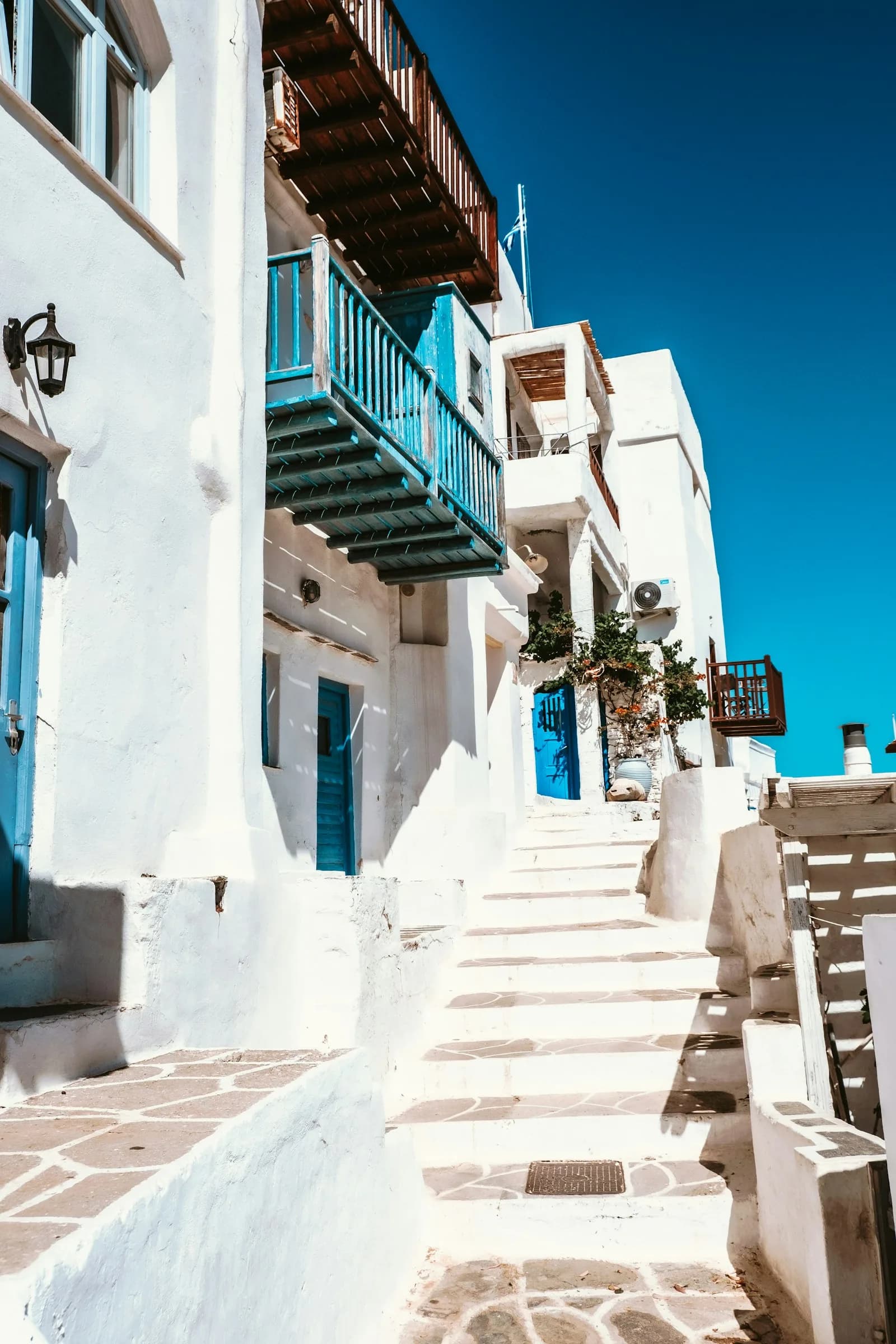
The richest island in the Aegean
They were digging silver and lead here from the third millennium BC. Gold came later, in the Archaic period, 700 to 480 BC. Herodotus wrote that the Sifnians were the richest of all the islanders. The sea is slowly taking the old workings at Agios Sostis on the east coast, but you can still make them out, and there are traces at a few other spots too.
The Siphnian Treasury at Delphi
Around 525 BC the Sifnians took a tenth of the mining income, the tithe they gave Apollo, and built a treasury with it at Delphi, on the Sacred Way up to the sanctuary. It was among the first buildings made entirely of marble, with a frieze of gods and battles carved round it. Much of the frieze is in the Delphi museum now. The story goes that the Sifnians later got greedy and stopped sending Apollo his tenth, and the sea broke into the mines and flooded them.
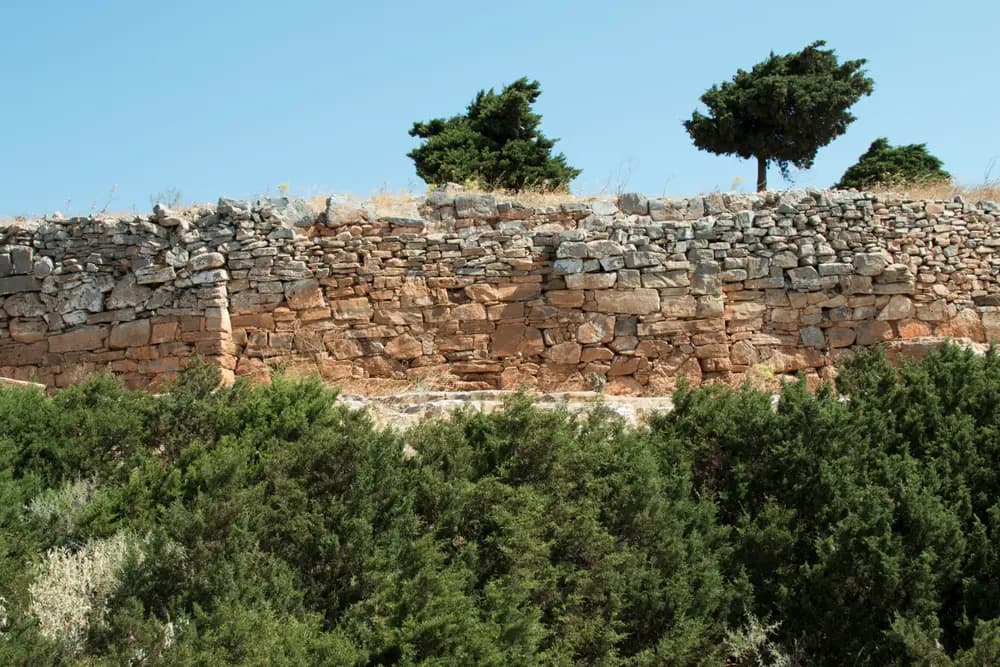
Three thousand years of clay
Long after the mines gave out, the clay kept the island working. People have made pots here since antiquity (the museum in Kastro has pieces from the Geometric period), and by the nineteenth century the workshops on the coast at Kamares, Faros, Platis Gialos and Vathi were shipping tableware and cooking pots all over Greece and round the Mediterranean. The cooking here grew up around that pot.
More on the Sifnos pottery traditionTselementes and the clay pot
Sifnos is the gastronomic capital of the Cyclades. We will argue that with anyone. Nikolaos Tselementes was born in 1878 in Exambela, the hill village you pass on the road between Apollonia and Platis Gialos. His cookbook came out in the 1920s, and Greeks have called a cookbook a 'tselementes' ever since. The dishes the island is known for, revithada (chickpeas) and mastelo (lamb or goat in wine), are still baked slowly in pots made from the local clay.
Our Sifnos food & restaurants guideAn island of churches
The municipality counts 237 churches, chapels and monasteries, on an island of 74 square kilometres. Families built many of them as private vows. The Archdiocese of Sifnos dates from 1646. The island's patron is Panagia Chrysopigi. Her monastery on its little headland was founded around 1650. Her festival starts on the eve of Ascension Day, and people still come from all over the island for it.
Festivals & experiences in SifnosKastro, the old capital
Kastro was the capital from antiquity, through the medieval and Venetian centuries, until 1836. Then the seat moved to Apollonia. It is the walled village on the east coast. People have lived on that hill since the third millennium BC. Look above the old doorways and you will still see coats of arms on some of them. The other ancient site is Agios Andreas, a fortified Mycenaean acropolis on a hilltop that looks over the middle of the island. The finds are in a small museum on the site.
Visit KastroSeeing the history today
None of it is far from the house. Walk the lanes of Kastro and go into the archaeological museum there. Climb up to the acropolis at Agios Andreas, open 8:30 to 15:00 all year, closed Mondays and public holidays. Chrysopigi sits at the water's edge, 35 to 40 minutes on foot from Platis Gialos along the coast path. And go into one of the working pottery studios.
Population figures from the 2021 Greek census (Hellenic Statistical Authority, ELSTAT). Historical and architectural details from the Municipality of Sifnos (sifnos.gr) and cited academic sources. Verified June 2026.
The history of Sifnos: common questions
Why was Sifnos so rich in ancient times?
Mines. Silver and lead from the third millennium BC, then gold in the Archaic period. Herodotus called the Sifnians the richest of the islanders, and a tenth of the mining income went on their marble treasury at Delphi.
What is the Siphnian Treasury?
A small marble treasury the Sifnians built at Delphi around 525 BC, on the Sacred Way to the sanctuary of Apollo, paid for with a tithe of their mining income. Much of its carved frieze is in the Delphi museum, and it counts as one of the masterpieces of Archaic Greek sculpture.
Why is Sifnos famous for pottery and food?
Sifnos has made pottery for some three thousand years, and the clay pot shaped the cooking. Slow dishes like revithada and mastelo are still baked in it. We call the island the gastronomic capital of the Cyclades, and Nikolaos Tselementes, whose surname is the Greek word for a cookbook, was born here in 1878.
Can you see Sifnos's history today?
Yes. Kastro and its archaeological museum, the ancient acropolis at Agios Andreas, the monastery at Chrysopigi, and the working pottery studios, about fifteen of them across the island.
Thinking about a stay on Sifnos?
Villa Olivia Clara is our house above Platis Gialos, a short drive from Kastro, the acropolis and Chrysopigi. We host it ourselves, so write to us with your dates and your questions.